How to Create Secure Attachment with Nature
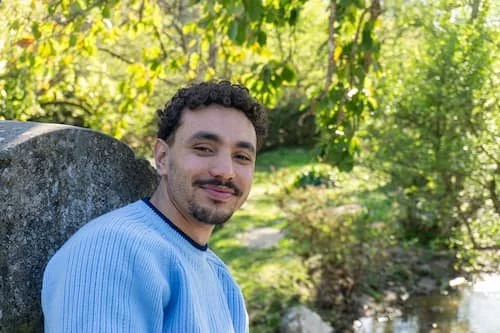
Everyone has a different relationship with the natural world. Sometimes we remember a childhood of climbing trees and laying out in the grass on long summer days, allowing the sun to kiss our face. Others grew up in the city, where the creative buzz of conversations and the honk of a bus going by feels calming and familiar. Sometimes we’ve experienced trauma in nature, whether it has to do with human relationships or getting stuck in a lightning storm. Maybe nature is the only place that feels safe for us. Whatever your experience has been, it is possible to heal and create a secure and loving relationship with nature, or even a singular natural being. When we feel lost or hurt in human relationships, especially with our primary caregivers, it can be helpful to turn to our relationship with the natural world for love and guidance.
What is a Secure Attachment?
Attachment Theory is an ever-evolving lens to look at how our earliest attachment figures have affected our relationships today, and how we show up in them. It is usually split up into 4 categories of early relationship attachment: secure, anxious-preoccupied, dismissive-avoidant, and disorganized (fearful-avoidant). The ideal attachment style is “secure.” This means there is a strong emotional bond built on safety, trust, and consistent responsiveness between a child and a caregiver, or between adult partners. If you don’t identify with having a secure attachment, you can develop something called “earned secure attachment,” where we show up in our adult relationships with security even if we’ve been through some sort of attachment trauma in our childhood.
What is My Attachment Style?
I recommend starting with the book “Attached” by Amir Levine and Rachel S. F. Heller, to understand the whole picture of human attachment and to notice what attachment style you most identify with. One of the best ways to truly know and experience your attachment style is to find a therapist who can help explore this with you. I would be honored to be that reflection for you if the stars align and we are a good therapeutic fit : )
Wilderness Therapy and Secure Attachment
The first step to developing secure attachment with nature is to work through any traumas or blocks that might be preventing you from finding comfort outdoors. We are, at our essence, a part of the natural world, and in wilderness therapy, we bridge the gap of separateness between ourselves and the natural world. You’ll find out more about trauma therapy here. Now, we spend time in nature. We slow down our nervous system by sitting on or close to the earth, and practice taking deep breaths of fresh air. We practice finding resource, or comfort, in the natural world.
Building Relationship with a Natural Being
Now, choose one natural being to pose as your secure attachment figure. A natural being can be defined as any non-human living being from the outdoors. This could be a tree in your backyard or a rock that sits on your desk. It could be the stream that flows through your favorite local forest. Visit this natural being for 1-10 minutes every day. Sit with your non-human attachment figure and breathe deeply. Perhaps bring your journal along, and write about what you are feeling. You can also talk to this plant, animal, stream, ground, sky, etc. Remember that there is no wrong way to be in relationship with this being, and your only focus is to show up and connect. What you may notice in this process is a steadiness in relationship with this being, a lack of judgement or expectation, and a different sort or connection than we are used to.
You Are Meant to Feel Seen, Heard, and Felt
As I said before, you cannot do this wrong. Give this process a try for a week, and notice the effects. Then, perhaps extend this process to 30 days. We need secure attachment in our lives, and it is our birthright to feel seen, heard and felt by another living being. Nature provides a safe and loving reflection of ourselves when we slow down and listen. Please reach out to me for further guidance and experiential wilderness therapy.