Processing Trauma Through The Chakra System
The physical benefits of yoga are everywhere in our society, stretching and strengthening various parts of your body combined with breath can change the composition of your body, mind, emotions. This is true! When we think about yoga from the trauma lens, this body movement is a beautiful resource in moving through the places in our body that hold tension and pain, often linked to traumas in our life. All this being said, there is more to yoga than the physical.
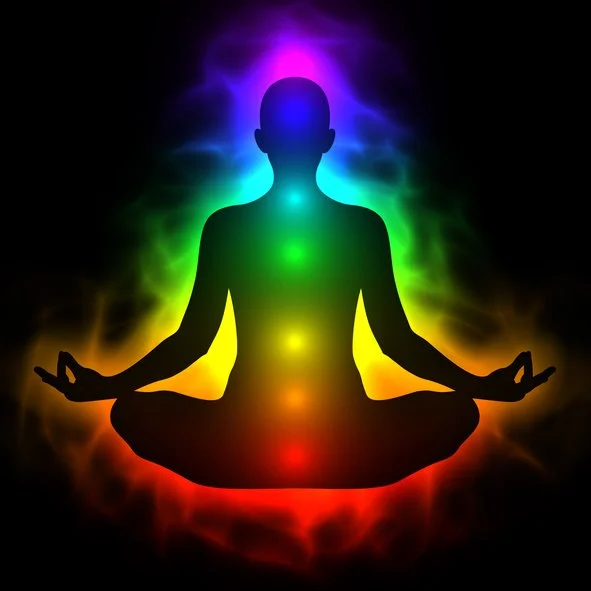
Yoga is made up of multitudes of ways to help us process our traumas that mainstream modalities don’t usually focus on. According to yogic philosophy, we have an energetic body. There are many different yogic modalities I have been influenced by, and I am going to take the collective knowledge to discuss the chakra system as it relates to trauma processing. Chakra is a Sanskrit word meaning “wheel.” These energy wheels are located at different places along the spine. According to the Kundalini yoga tradition, we have 8 chakras in our body: Muladara, the root chakra, Svahistana (Sacral chakra), Manipura (solar plexus), Anahata (heart), Vishudha (throat), Ajna (third eye), Sahasrara (Crown), and the last is the Electromagnetic field, the energetic field around us. Exploring the Chakra system through visualization and physical sensation can help us notice where we are misaligned, and gain further insight into our traumas. Through this meditative practice, we can unravel the “knots” of trauma that collect in our body/mind/spirit.
Muladara, Root Chakra
This is the place of our grounded center, located at the base of our spine. When this chakra is in balance, we feel stable and secure in our life, free to move while our feet stay rooted on the earth. When this chakra is out of balance, we can feel anxious or scattered, not knowing where our security or stability has gone. When we have an unstable home life in our early years, this lack of safety can become stuck in this root chakra.
Svadhisthana, Sacral Chakra
This is the home of our creativity and sensuality, the flow we bring into the world. It is located at the sacrum, directly above the root.
When this chakra is in balance, we feel alight with creative energy and safe in our sexuality. When this chakra is out of balance, we can feel creative blocks or an imbalance in our relationship to sexuality. This is also the center that is linked to addiction. When this chakra is imbalanced, it can be a result of sexual trauma.
Manipura, Solar Plexus Chakra
This is the home of our courage, confidence and willpower, located directly below our rib cage in the solar plexus.
When this chakra is in balance, we feel strong and courageous, with energy to move towards our goals and dreams. We set necessary boundaries with ease. When this chakra is out of balance, we can feel timid or weak, misaligned from our true power. Trauma related to an imbalance could be experiencing bullying of some form, either at home or elsewhere. Trauma related to the core can also result from an abusive relationship, where one partner constantly overpowers the other.
Anahata, Heart Chakra
This is the home of our compassion and love for ourselves and others, located in the heart.
When this chakra is in balance, we feel loving and kind, with room for our own healing as well as space for others. When this chakra is out of balance, we can feel animosity or deep heart break. The trauma related to this is often related to grief, whether it's from a death in your life, or grieving the pain of an abusive childhood.
Vishuddha, Throat Chakra
This is the center of our communication, the ability to speak the truth, located in our throat.
When this chakra is in balance, we feel free to speak our truth and sing, and we do. When this chakra is out of balance, we can feel blocked from being able to speak our truth, and if you are a vocalist, blocked from singing in your truest voice. Trauma affecting this chakra can be related to constantly being talked over or silenced. Also, criticism of your speaking or singing voice.
Ajna, Third Eye Chakra
This is the place of intuition, where we have the knowing that guides us through tough decisions. It is located in the space between your eyebrows, the third eye.
When this chakra is in balance, we feel rooted in our truths, and able to come to a decision that resonates in our core and our heart. When this chakra is out of balance, we can feel deep uncertainty, and a sense of being lost or stuck in our lives. Trauma affecting this chakra can be related to gaslighting in a relationship, someone consistently telling you that your intuition is wrong.
Sahasrara, Crown Chakra
This is the center that connects us to the collective consciousness of our community, and to the spirit world as we understand it.
When this chakra is in balance, we feel connected to a greater purpose, a part of the deeper meaning in the universe. When this chakra is out of balance, we feel disconnected from purpose, or a part from the rest of our community, aimless in our spirituality. Trauma affecting this chakra can be related to painful religious experiences, and a loss of faith.
Electromagnetic Field
This is our center of protection that surrounds our entire body, often said to be 6 feet in diameter. This energetic field protects us from the outside world, and gives us the radiance that highlights the gifts we bring to the world. When our electromagnetic field is strong, we feel protected, energized and free. When our electromagnetic field is weak, we feel depleted and vulnerable to criticism and others’ moods. Trauma affecting this chakra can be related to living in an abusive environment, or a place with environmental pollution.
In the following weeks, we will dive into the intricacies of each one of the chakras, exploring their deeper qualities, and how they relate to trauma. Visit my trauma therapy page to find out more about working through the lingering effects of trauma.